This section contains books about talking to people about Jesus. If you want help discussing Jesus with people, these works are written by friends who will help you do it.
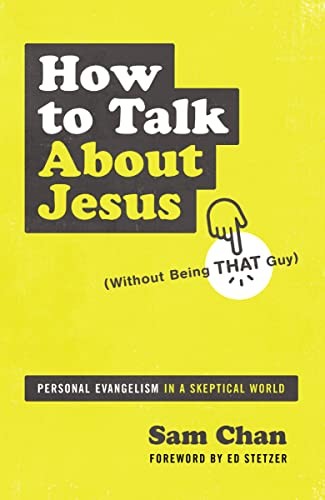
This book contains strategic thinking about how to help the message of Jesus seem more plausible to skeptical people. Contains some theory and a lot of pragmatic, how-to stuff. I highly recommend this excellent book.
Find on Amazon →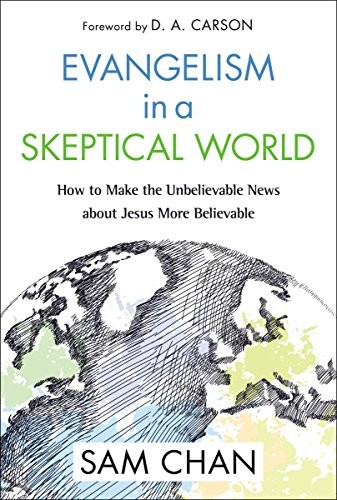
Similar to Chan's book How to Talk about Jesus, this is a book that focuses on sharing Jesus in the current Western culture. This book is more scholarly and focuses more on cultural analysis and persuasion theory. If you want to wade into the weeds a bit, this is an excellent book.
Find on Amazon →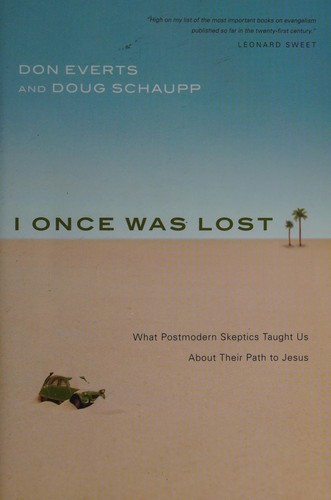
This book focuses on the five thresholds that postmodern skeptics have to cross on their way to becoming Christians. If you want to understand the process your non-Christian friend is likely experiencing as he/she comes to faith, this is a great resource.
Find on Amazon →
Based on research, this book presents strategies to help the typical American in-turned congregation turn outward. Very practical.
Find on Amazon →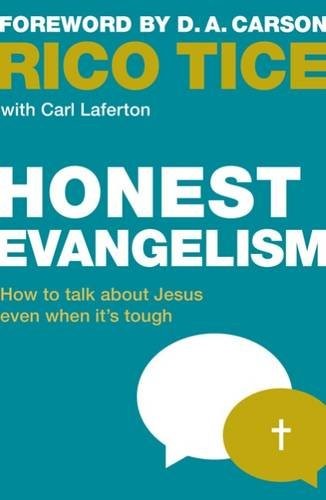
Rico Tice does exactly what he claims to do: tell the truth about what evangelism is like when practiced in the West. Tice is an Australian, living in advanced secularism, but does not allow his culture to shut down his witness. He says that what you'll encounter when you talk about Jesus is two things: hostility and hunger. Fantastic book for anyone looking for the courage to speak.
Find on Amazon →Sometimes, before we can talk about Jesus, we have to plow the ground. These books are about having spiritual conversations with people so that you can deal with objections and lead people into the discussion about Jesus.
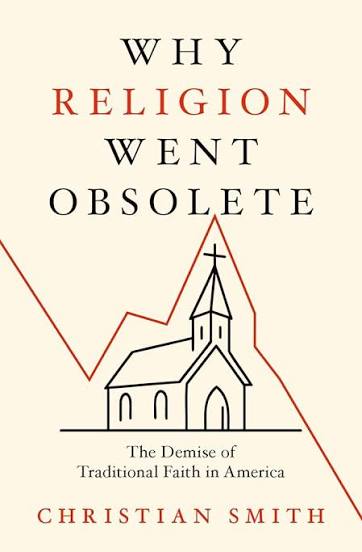
Smith presents a sociological analysis of the secular world that provides insight into how the culture became as it is. Analyzing the last 35-40 years, Smith explores how religion became irrelevant to most modern, secular young people. If you want to know what the starting point is for many post-postmodern minds, this is a book to read.
Find on Amazon →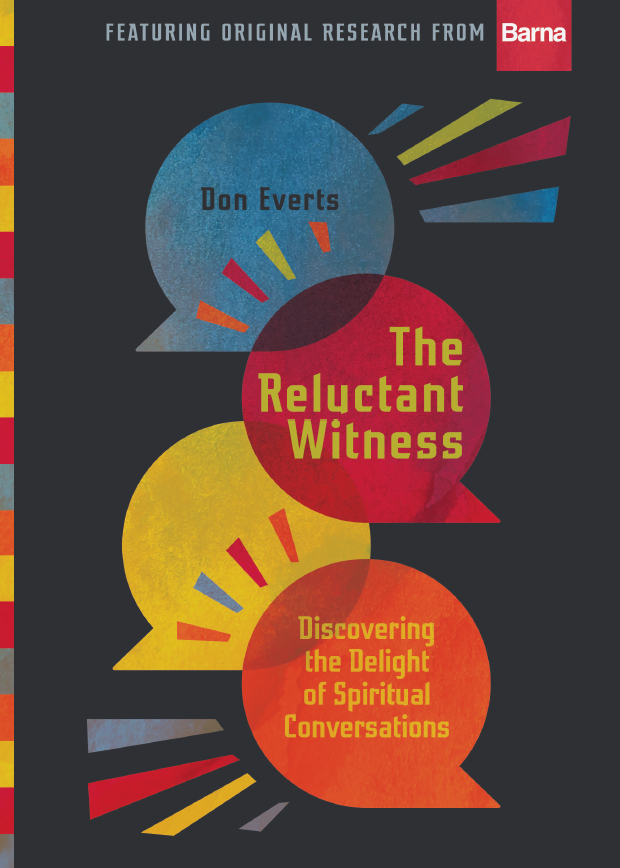
Everts explores the reality that the postmodern cat has the tongue of many Western Christians. However, when they discover how delightful a spiritual conversation can be, their mouths open up. Based on research by the Barna Group, this work is excellent, perfect for group study and conversation about conversations.
Find on Amazon →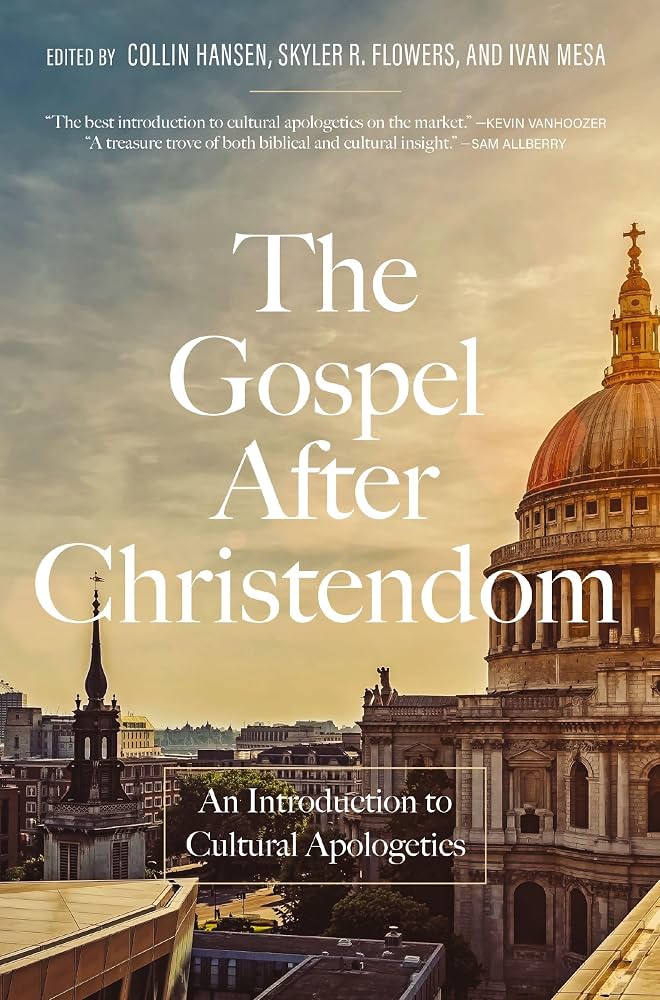
People assume all kinds of awful things about Christians and Christianity in our culture. Few books will equip you to uncover and discuss those assumptions in the hearts of your friends the way that this one will.
Find on Amazon →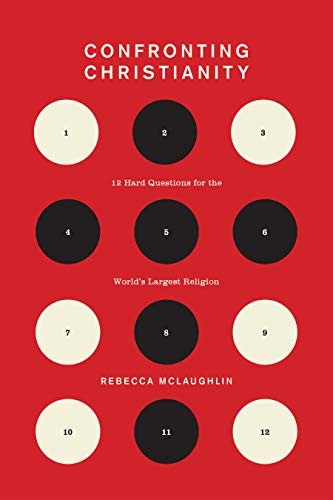
Many American post-Christian people believe they know what Christianity is and have rejected it. Many non-Christians with no experience of Christianity have hostility toward the faith because of cultural assumptions. Oxford scholar Rebecca McLaughlin brings those cultural assumptions to bear against the faith, testing it and demonstrating how Christianity is right, good, and beautiful.
Find on Amazon →
Written for teens (and perhaps early teens at that), this book works to place the same arguments made in Confronting Christianity into a level that is accessible to younger readers. Sometimes, her examples at the beginning of the chapters struggle with being aimed at an audience younger than teens, but the content is excellent. This simplified version of Confronting Christianity makes the arguments even clearer for many readers.
Find on Amazon →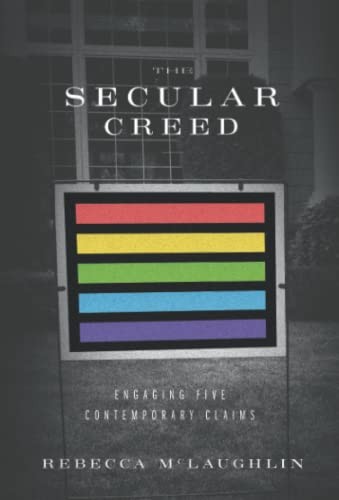
McLaughlin tackles five cultural beliefs that many people assume are opposed to Christian faith, and demonstrates to both Christian and non-Christian perspectives that these beliefs are actually deeply rooted in Christian thought. Very useful for someone who wants to think like a Christian apologist.
Find on Amazon →
Western values that non-Christians endorse and for which they will fight and die did not arise in a vacuum. This work examines the Christian source of the American value system, and explores touch points to discuss the faith with non-Christians who are so passionate about Christian values. These are values that they cannot justify without a Christian worldview.
Find on Amazon →Leading someone to Christ is one long journey, and conversion is the end of that journey. It is the beginning of a much longer and much more beautiful one: discipleship. The process of leading a believer deeper into allegiance to Jesus, and learning his ways so that the lives of others can thrive.
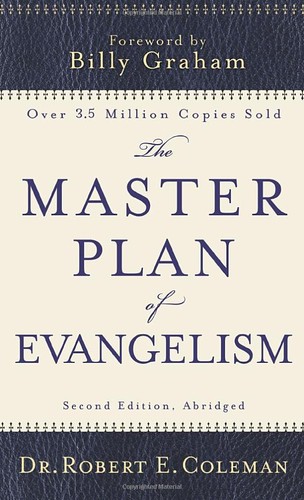
First published in 1963, this book has a timeless quality to it. The title here would suggest that this is a book about evangelism, but it is actually a book about Jesus's method of training people to become evangelists. It looks at Jesus's strategy of discipleship and disciple-making. This is a modern classic and a foundational work for discipleship ministry.
Find on Amazon →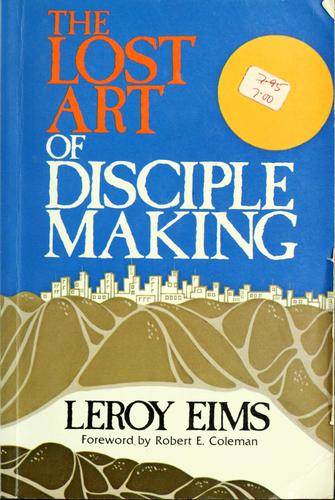
First published in 1978 (and occasionally revealing a culture now in the past), Eims shows a strategy for helping people become disciples of Jesus and grow in that faith. The appendix in the final pages contains a curriculum/strategy that is simply excellent and perhaps without peer.
Find on Amazon →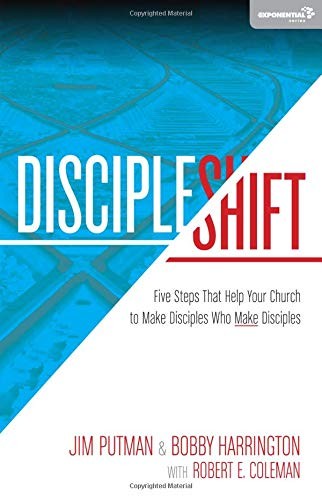
An excellent work that looks at disciple-making as congregational mission. This book calls for a shift in mindset. One remarkable strength is that it sets benchmarks for Christian maturity, aiming not merely at knowledge of doctrine, but concern for the spiritual life of others as the marks of the truly mature.
Find on Amazon →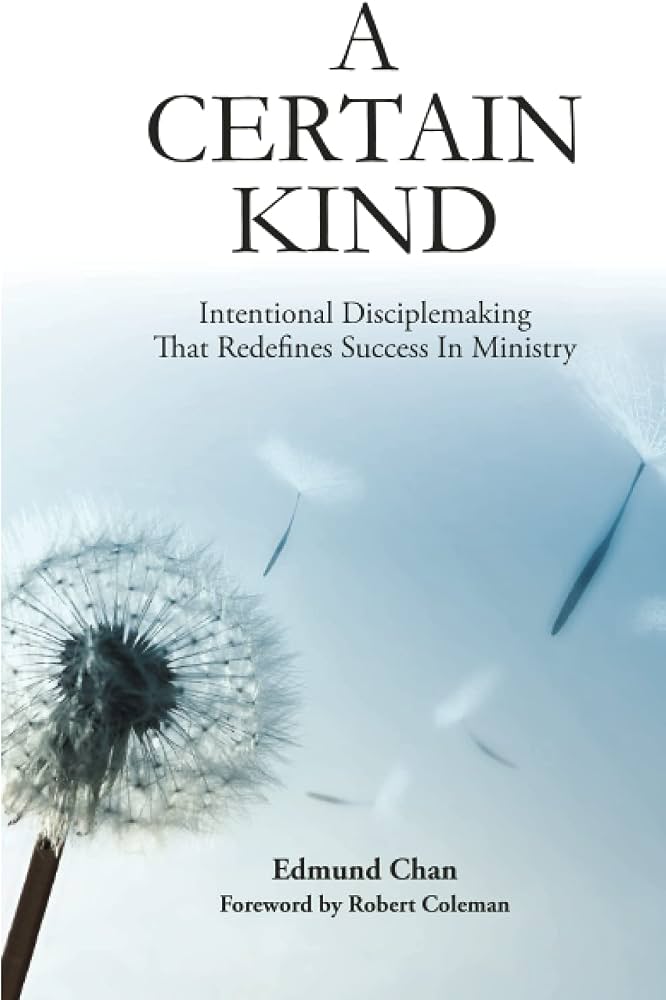
The book's stated goal is to define discipleship and evangelism success not by how many disciples are made, but what kind of disciples are being made. This is a strategy-focused work helpful for those wanting to challenge disciple-making strategies to wake up out of stagnation, or for those who want to establish a disciple-making strategy in their church.
Find on Amazon →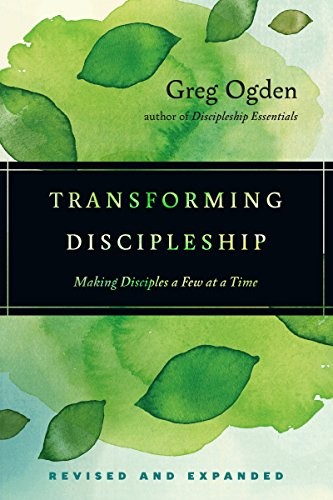
This work builds on the work of Coleman and Eims and recasts their ideas for a modern age. The strength of the theory of this work is unmatched. The book focuses on the idea of repeatability and producing a way of transforming lives that can be handed from one person to another.
Find on Amazon →A sad truth is that many Christians know that there is a gospel, and know the implications of the gospel (that is, sinners can be saved by Jesus) without being able to articulate the gospel itself. Evangelism is announcing the gospel, and knowledge of the gospel is essential to the nature of evangelism. These works help readers to have a focused view of the gospel itself, so that they can more clearly proclaim it.
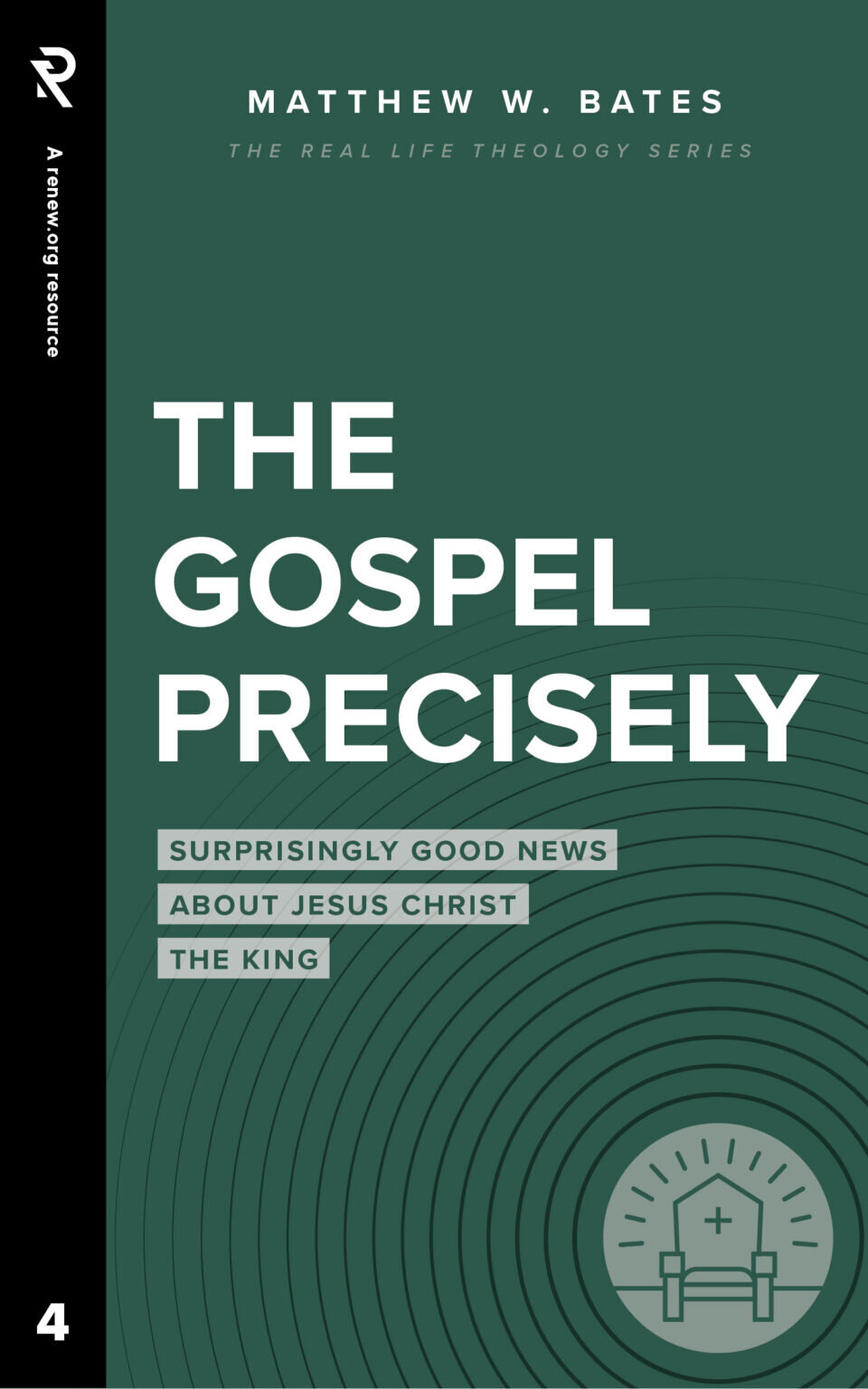
This tight manual about the gospel gives readers a 10-point summary to help them focus their minds on the content of the gospel. At just over 100 pages, this little book is a useful grounding in the message that Christians have to share with the world.
Find on Amazon →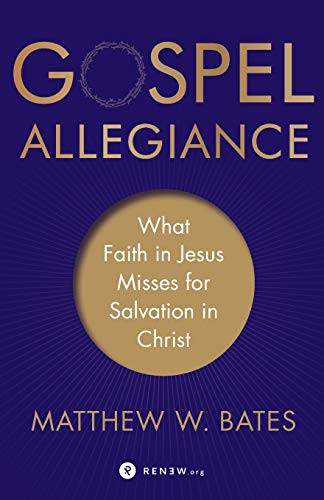
The English word ‘faith’ is translated from the Greek word ‘pistis.’ This book explores what that is — toward what are we leading people when we lead them to put their faith in Christ? Bates argues that what the New Testament is looking for is actually allegiance to Christ more than belief in him; while allegiance assumes belief, belief does not necessarily assume allegiance.
Find on Amazon →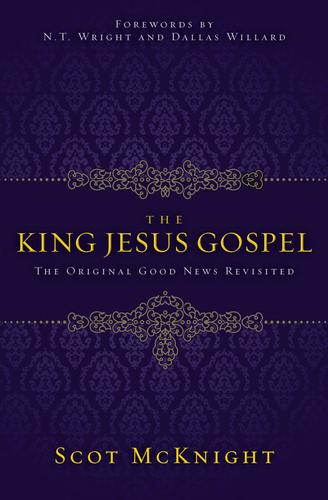
In this work, Scot McKnight explores the idea that the ancient Christians got it right when they called the biographies of Jesus at the beginning of the New Testament ‘gospel.’ The Gospel is the life of Jesus, including his birth, ministry, sacrificial death, triumphant resurrection, and current reign. This is an excellent work to challenge the shallow gospel presentations by many modern Christians.
Find on Amazon →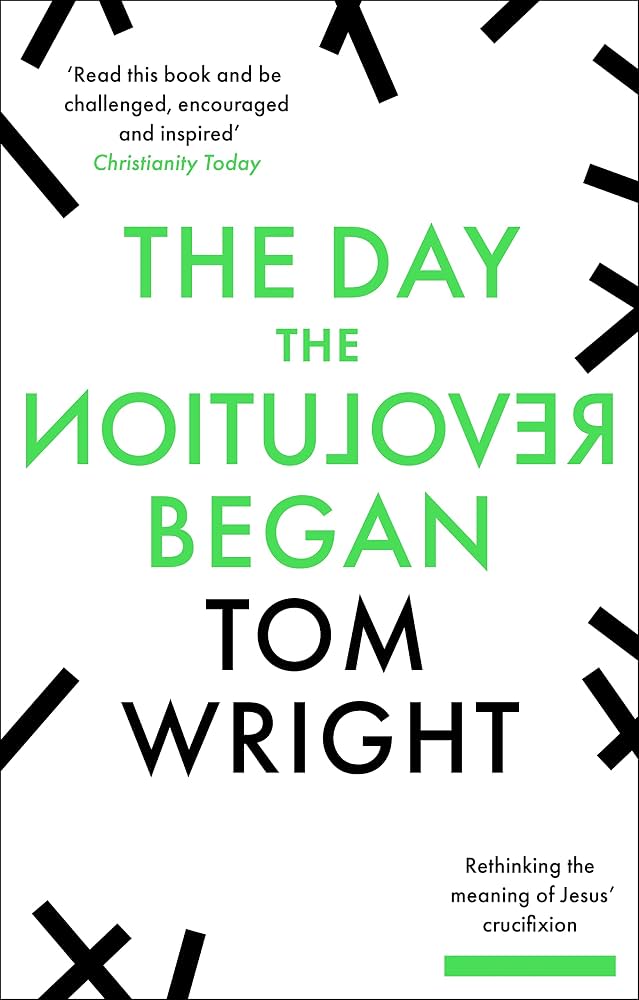
As the subtitle suggests, N.T. Wright explores what the cross accomplished and how that accomplishment was understood as good news in the ancient context. Excellent work for how to understand the gospel generally and the cross particularly.
Find on Amazon →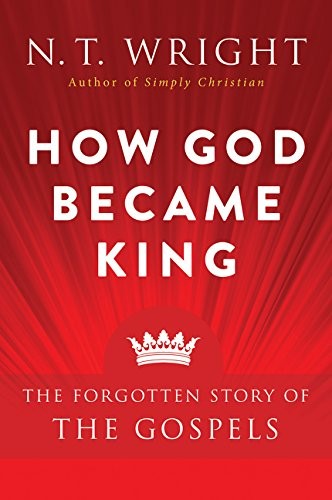
Wright is a master storyteller, and he leads the reader into the ancient world with particular excellence. Focusing on the person of Jesus and on how he fits into the history of Israel, this work will redefine the gospel of salvation as the story of a long-awaited, excellent King.
Find on Amazon →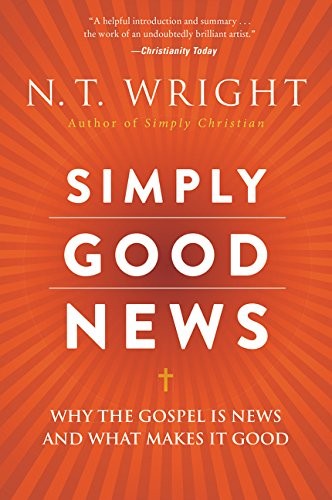
This book focuses on the gospel as the news that it was when first proclaimed: the announcement of a great victory. Much less scholarly in tone than is typical of N.T. Wright, and therefore far more accessible, this book places Wright's scholarly views at the level of people who haven't been to (and would never want to go to) post-doctoral seminars. A very readable, quite delightful, excellent work on the gospel.
Find on Amazon →Anyone who wants to take a truly deep dive into modern American culture and who is willing to read very difficult works might look at these. An evangelist who knows his or her message, but doesn't understand the culture in which he or she is working, might present a wonderful gospel that would truly resonate with another culture but will fall flat in the one in which he or she is working. Much of modern Christian strategy is aimed at a culture that is dead or dying. These works explain why and how the culture has changed.
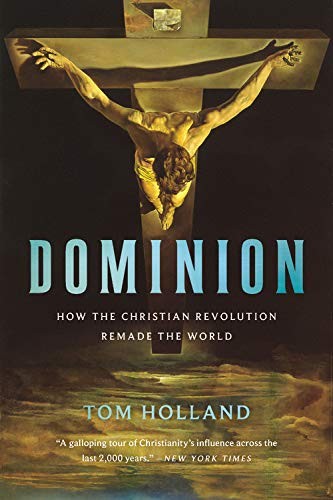
In this massive tome, Tom Holland (not the Spider-Man actor, but the British historian) lays out the history of the development of Western culture, and how the life and teachings of Jesus came to dominate Western thought. The influence of Jesus is inescapable in the modern West, particularly when compared with the thought, assumptions, and worldview of those outside the influence of Christ and Christianity.
Find on Amazon →
MacIntyre suggests that we live in a world that longs for the good things that are provided by religion but that has rejected religious beliefs. He suggests that we live after a great spiritual earthquake, when the culture lost belief in God and declared war against such faith. Now, decades later, the culture is using religious vocabulary without understanding the worldview in which that vocabulary was developed. Written in 1981, After Virtue is a prescient work exploring how a secular culture would develop. What MacIntyre predicted, we now live in. This book helps an evangelist to this culture understand what this culture is trying to do as it pursues an elusive good life without God.
Find on Amazon →
Charles Taylor explores how the Western world went from a world where the culture made it impossible to believe in God, to having a culture where belief in God is very challenging indeed. Taylor suggests that the story the West is telling itself about science dethroning religion is simply a fable told by secularists. In fact, the process is far more complex. Taylor explores the origin of the immanent frame, the buffered self, and the concept of cross-pressured existence — no matter what you believe, reality offers evidence that will both affirm and deny those beliefs; all humans must balance the uncomfortable reality that they must doubt their worldview. One of the most powerful explorations of modern Western culture.
Find on Amazon →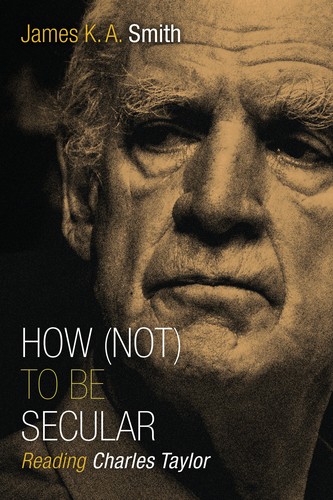
Charles Taylor's book is both unusually lengthy (nearly 900 pages) and theoretically dense. James K.A. Smith provides a commentary of Taylor's work, running nearly thought-for-thought through the book. If Taylor's work is like walking into a great, subterranean cave, Smith's work is a lantern to light the way. For many folks, Smith provides an alternative rather than a commentary — allowing someone to encounter Taylor's thought without having to do the heavy lifting of actually reading the book.
Find on Amazon →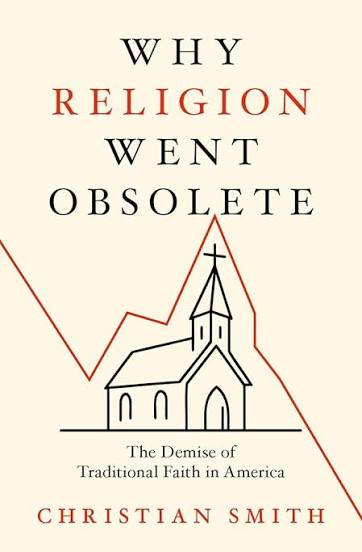
Smith presents a sociological analysis of the secular world that provides insight into how the culture became as it is. Analyzing the last 35-40 years, Smith explores how religion became irrelevant to most modern, secular young people. If you want to know what the starting point is for many post-postmodern minds, this is a book to read.
Find on Amazon →